

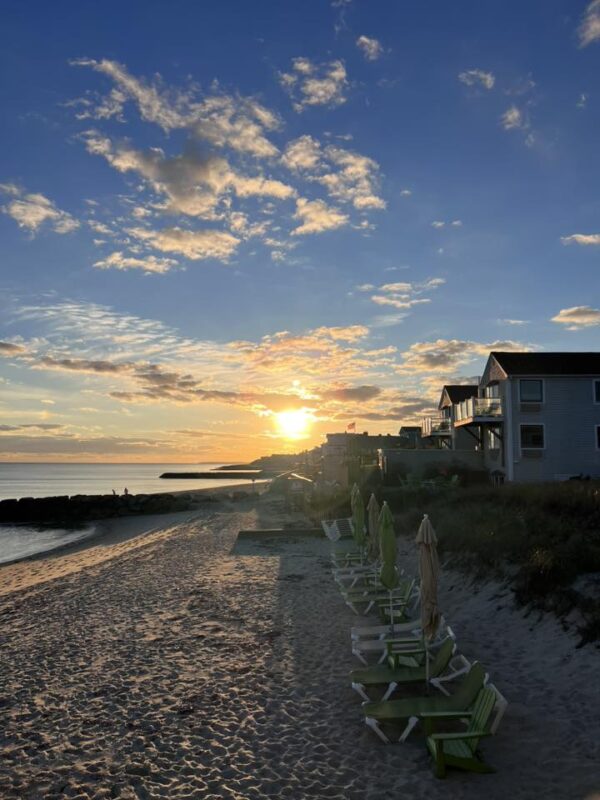
Cape Cod is surrounded by water, but its beaches are not all alike. Where you stay can affect the water temperature, waves, wind, tides, sunsets and even how much planning is required for a beach day.
The two coastlines most visitors compare are Cape Cod Bay and Nantucket Sound. However, the Cape also faces the open Atlantic Ocean and Buzzards Bay, while Vineyard Sound borders part of Falmouth. Each coastline offers a different version of a Cape Cod vacation.
If you are still deciding which part of the region will work best for your trip, begin with our guide to where to stay on Cape Cod. Once you have narrowed down the region, this guide will help you choose the coastline and beaches that match the way you like to travel.
Cape Cod’s Four Main Coastal Experiences
The shape of Cape Cod creates several distinct beach environments within a relatively small region. Conditions still vary from one beach to another, but this quick comparison provides a useful starting point.
| Coastline | General character | Often best for |
|---|---|---|
| Cape Cod Bay | Large tides, sandbars, tidal pools and generally milder waves | Families, tide-pool explorers and sunset watchers |
| Nantucket Sound | South-facing beaches, comparatively gentle water and convenient Mid-Cape access | Families, casual swimming and centrally based vacations |
| Atlantic Ocean | Cooler water, stronger surf, dramatic dunes and exposed coastline | Surfers, photographers and adventurous beachgoers |
| Buzzards Bay | Sheltered coves, sailing areas and west-facing sunset beaches | Boating, kayaking, couples and Upper Cape stays |
These descriptions are guidelines rather than guarantees. Wind direction, tide, storms and the shape of an individual beach can make a usually calm coastline rough or create a peaceful day along the Atlantic.
Before swimming, review the latest weather and water conditions. The National Weather Service beach and surf forecast provides information about surf conditions and rip-current risk, while NOAA tide predictions can help you plan around changing tides.
Cape Cod Bay: Tidal Flats, Sandbars and Long Beach Walks
Cape Cod Bay forms the northern and northwestern side of the peninsula. Bay-facing beaches can be found in Sandwich, Barnstable, Yarmouth, Dennis, Brewster, Orleans, Eastham and parts of Provincetown.
The most noticeable feature of Cape Cod Bay is its tide. At low tide, the water may retreat a considerable distance, revealing broad sandbars, warm tidal pools and areas where children can look for shells and small marine creatures. Brewster is especially well known for its extensive tidal flats, but visitors can experience similar changes at other beaches along the bay.
The Cape Cod Chamber’s beach guide describes the bay’s tidal flats and warm low-tide pools as a popular choice for families. Beaches such as Mayflower Beach and Corporation Beach in Dennis are also known for sandbars and generally milder waves.
Water Temperature and Waves on Cape Cod Bay
Cape Cod Bay is influenced by the colder waters north of the Cape, so it can feel chilly early in the season. Shallow water left behind on sandbars may warm noticeably in the sun, making low tide feel very different from swimming after the tide returns.
The bay generally has smaller waves than the open Atlantic, but it should not automatically be considered calm. A north or northeast wind can create rougher water, and weather conditions may change during the day.
Is Cape Cod Bay Good for Young Children?
Cape Cod Bay can be an excellent choice for families, particularly at low tide. Children have room to walk, explore tidal pools and play in shallow water without the persistent surf found at many Atlantic-facing beaches.
Parents should still check the tide schedule before leaving. The same low tide that creates a natural playground can place the swimmable water far from your towels, while an incoming tide can move across the flats more quickly than first-time visitors expect.
For more family-oriented options around the peninsula, see our guide to the best Cape Cod beaches for families.
Sunsets on Cape Cod Bay
Many Cape Cod Bay beaches face north, northwest or west, creating beautiful evening light and opportunities to watch the sun descend toward the water. The exact view changes according to the beach’s orientation and the time of year, so not every bay beach offers a direct over-the-water sunset.
The changing tide adds another dimension to the evening. Wet sand, shallow pools and exposed sandbars can reflect the sky, giving photographers a much larger canvas than they would have at high tide.
Who Should Choose Cape Cod Bay?
Cape Cod Bay is a strong choice for families, beach walkers, photographers and travelers who enjoy a slower beach day. It is also ideal for visitors who find large ocean waves intimidating but still want a classic Cape Cod shoreline.
It may be less convenient for travelers who want to swim at any hour without considering the tide. On beaches with extensive flats, the difference between high and low tide can completely change the experience.
Nantucket Sound: Gentle Swimming and a Convenient Mid-Cape Base
Nantucket Sound lies between Cape Cod and the islands of Nantucket and Martha’s Vineyard. Its beaches line the southern sides of Mashpee, Barnstable, Yarmouth, Dennis, Harwich and parts of Chatham.
Because the coastline is partly protected by the islands and offshore shoals, many Nantucket Sound beaches have smaller waves than the open Atlantic. The south-facing beaches around Dennis Port, West Dennis, Harwich Port and South Yarmouth are popular with families and casual swimmers.
Nantucket Sound is also convenient for travelers who want to explore more than one region. Dennis is centrally located on the Mid Cape, allowing visitors to take day trips toward Falmouth and Sandwich in one direction or Chatham, Orleans and the Cape Cod National Seashore in the other.
Is Nantucket Sound the Warmest Side of Cape Cod?
Nantucket Sound is often one of the more comfortable areas for summer swimming, particularly along shallow beaches that warm under the sun. However, water temperature changes with the month, tide, wind and recent weather, so it is better to treat this as a general pattern rather than a promise.
The sound is usually more inviting for casual swimming than the exposed Atlantic. It is especially popular with families who want to spend time in the water without dealing with large, continuous waves.
Are Nantucket Sound Beaches Always Calm?
Nantucket Sound beaches are often gentle in the morning, but they are not always flat. Afternoon winds can create short, choppy waves, and storms passing offshore can affect conditions even when the weather on land appears pleasant.
Check the forecast before taking out a paddleboard or kayak. The National Weather Service issues separate marine forecasts for Nantucket Sound, Cape Cod Bay, Buzzards Bay and the Atlantic waters east of Cape Cod because conditions can differ substantially around the peninsula.
Sunrises and Sunsets on Nantucket Sound
South-facing beaches can receive attractive light at both ends of the day. Summer sunrises appear toward the northeast and sunsets toward the northwest, so the view depends heavily on the angle of the shoreline.
Nantucket Sound is particularly appealing in the early morning, when the wind is often lighter and the beach is quiet. Even when the sun does not appear directly over the water, the open southern horizon can produce colorful reflections across the sound.
Who Should Choose Nantucket Sound?
Nantucket Sound is one of the strongest choices for families with young children, travelers who enjoy casual swimming and first-time visitors who want a central location. It also works well for groups whose members have different interests because beaches, restaurants and family attractions are close together across the Mid Cape.
Guests staying at The Corsair & Cross Rip have direct access to a private Nantucket Sound beach. Choosing an oceanfront hotel on Cape Cod with its own beach removes the need to search for public parking every morning or carry beach equipment a long distance from the car.
The Atlantic Ocean: Dramatic Scenery, Colder Water and Bigger Surf
The Atlantic side follows the eastern edge of Chatham, Orleans, Eastham, Wellfleet, Truro and Provincetown. This is where visitors find the towering dunes and broad, exposed beaches most closely associated with the Cape Cod National Seashore.
The Cape Cod National Seashore protects approximately 40 miles of coastline, including Coast Guard Beach, Nauset Light Beach, Marconi Beach, Head of the Meadow, Race Point and Herring Cove. Facilities and access differ among the beaches, so the National Park Service recommends checking current information before visiting.
Water Temperature and Wave Conditions on the Atlantic
The Atlantic is generally the coolest and most energetic of Cape Cod’s major coastlines. Ocean swells can create larger breaking waves, and conditions may include shore break, undertow and rip currents.
This makes the Atlantic exciting for experienced surfers and strong swimmers, but it demands more caution. The National Park Service advises visitors to watch for rip currents, never swim alone and avoid turning their backs on the ocean. Its Cape Cod beach-safety guidance also explains what to do if caught in a rip current.
Great white sharks are another consideration along the Outer Cape, where seals are common. Visitors should follow posted warnings, stay close to shore, avoid swimming near seals or schools of fish and listen to lifeguards.
Is the Atlantic Side Suitable for Children?
Families can enjoy Atlantic beaches, but the experience is different from playing in the shallow water of Nantucket Sound or exploring the Cape Cod Bay flats. Children may be more interested in building sandcastles, collecting stones or watching waves than spending long periods in the water.
Choose a lifeguarded beach when possible and evaluate the conditions after you arrive. A beach that was manageable yesterday may have stronger surf today because of wind or an offshore weather system.
Sunrise and Scenery
The Atlantic side is Cape Cod’s classic sunrise coast. Early risers can watch the sky brighten over an uninterrupted ocean horizon, often with fewer people on the beach than later in the day.
The Outer Cape also offers some of the region’s most dramatic scenery. High dunes, long beaches and powerful surf create a wilder atmosphere than the more sheltered southern and western shores.
Who Should Choose the Atlantic Side?
The Atlantic is best for surfers, strong swimmers, photographers, hikers and travelers who want the Cape’s most dramatic natural landscapes. It also appeals to visitors who plan to spend significant time exploring the National Seashore.
It may not be the first choice for families whose main goal is calm, warm swimming. Even so, the Atlantic deserves at least one day trip because it shows a completely different side of Cape Cod.
Buzzards Bay: Sheltered Coves, Sailing and West-Facing Sunsets
Buzzards Bay borders the western side of the Upper Cape, particularly Bourne and western Falmouth. It is sometimes overlooked by visitors who focus only on Cape Cod Bay, Nantucket Sound and the Atlantic, but it offers its own mix of beaches, harbors and coastal villages.
Old Silver Beach in Falmouth is one of the best-known Buzzards Bay beaches on Cape Cod. Other options include Monument Beach and protected coves around Bourne, although access and parking rules vary.
The nonprofit Buzzards Bay Coalition highlights several family-friendly Buzzards Bay beaches, including locations with shallow water and sheltered swimming areas. This makes the region useful for families as well as boaters.
Water and Wind Conditions on Buzzards Bay
Protected coves around Buzzards Bay can offer calm, shallow water, while more exposed beaches may become choppy when the wind increases. Shallow areas can feel pleasantly warm in summer, but conditions vary enough that visitors should check the individual beach rather than assuming the entire bay will be the same.
The bay is popular for sailing, kayaking and other water activities. Afternoon wind may be welcome to sailors but less appealing to families hoping for completely still swimming conditions.
Sunsets on Buzzards Bay
West-facing Buzzards Bay beaches offer some of the Cape’s most direct sunset views. Old Silver Beach is particularly popular in the evening, when the sun drops across the water and the beach takes on warmer color.
This makes the area attractive to couples, photographers and travelers who organize their beach time around late afternoon rather than early morning. Sunset is also one of the busiest times at well-known beaches, so parking and seasonal access still require planning.
What About Vineyard Sound?
Vineyard Sound borders the southern and southwestern shore of Falmouth and connects with Nantucket Sound to the east. Beaches along this part of Falmouth can have clear water and attractive views toward Martha’s Vineyard, but currents and wind can be more noticeable near channels and exposed points.
For vacation-planning purposes, southern Falmouth shares some characteristics with Nantucket Sound, while western Falmouth feels more connected to Buzzards Bay. Visitors interested in cycling can follow portions of the Shining Sea Bikeway near both coastlines.
Who Should Choose Buzzards Bay?
Buzzards Bay works well for boaters, kayakers, sunset seekers and travelers staying in Bourne or Falmouth. Its Upper Cape location is also convenient for shorter visits because it reduces the amount of driving required after crossing the canal.
Travelers planning frequent trips to Chatham, Orleans or the National Seashore may prefer a more central base. Summer traffic can make repeated drives between the Upper and Outer Cape longer than they appear on a map.
Which Cape Cod Coastline Is Best for Families?
Nantucket Sound is usually the easiest all-around choice for families who prioritize swimming. Its comparatively gentle beaches, central location and nearby family activities make it practical for both short and extended stays.
Cape Cod Bay is equally appealing for children who enjoy sandbars and tidal pools, but families must plan around the tide. Protected Buzzards Bay beaches can also work very well, particularly for visitors staying near Falmouth or Bourne.
The Atlantic provides the most dramatic beach experience, but it requires closer supervision and greater awareness of surf conditions. Families do not need to avoid it; they simply need to choose the day and beach carefully.
Which Side Has the Best Sunsets?
Buzzards Bay has the most consistently west-facing sunset beaches. Many Cape Cod Bay beaches also provide beautiful evening views, particularly where the shoreline angles toward the northwest.
The Atlantic is best known for sunrise, although local geography creates exceptions. Herring Cove near Provincetown, for example, is part of the National Seashore but faces west and is well known for sunsets.
Nantucket Sound offers both morning and evening color, though the sun’s position may be angled along the coast rather than directly over the water. The individual beach and season matter more than the name of the body of water.
Understanding Cape Cod Beach Parking
Public beach parking is managed by individual towns, the state or the National Park Service. Requirements may include resident stickers, visitor passes, daily parking fees or seasonal entrance fees, and the rules can change from year to year.
The Town of Dennis publishes current Dennis beach parking and sticker information, while the National Park Service maintains separate fees and passes information for National Seashore beaches. Always check the managing agency’s website before driving to a beach.
Popular lots may fill early during summer weekends. Staying at a beachfront property with private beach access can eliminate much of this uncertainty and make it easier to return to your room throughout the day.
Always Check Current Water and Weather Conditions
A calm beach can become choppy after the wind changes, and a wide stretch of sand can nearly disappear at high tide. Conditions are local, so a windy Atlantic beach does not necessarily mean Nantucket Sound will be equally rough.
Barnstable County tests hundreds of marine and freshwater beaches during the swimming season. Visitors can review current Cape Cod beach water-quality results and should follow any advisories posted at the beach.
If poor weather changes your plans entirely, there is still plenty to do away from the water. Our guide to things to do on Cape Cod when it rains includes museums, children’s attractions, historic sites and indoor activities around the region.
Why Dennis Port Makes a Convenient Beach Base
Dennis is unusual because the town has beaches on both Cape Cod Bay and Nantucket Sound. Visitors can explore the tidal flats and sunset views of the north side, then return to the gentler south-side beaches around Dennis Port.
A central location also makes it possible to experience all four coastal environments during one vacation. You can take a day trip to the Atlantic beaches of the National Seashore, visit Buzzards Bay and Falmouth, or explore other Cape Cod attractions without changing accommodations.
The Corsair & Cross Rip sits directly on Nantucket Sound and offers hotel rooms, two-room suites and larger Cape Cod house rentals. This combination works particularly well for extended families and groups who want different accommodation types near the same private beach.
So, Which Side of Cape Cod Is Better?
There is no single best side of Cape Cod because each coastline offers a different experience. Nantucket Sound is often the most convenient choice for relaxed swimming and family vacations, while Cape Cod Bay is ideal for tidal flats, long walks and evening light.
Choose the Atlantic if you want powerful ocean scenery, surf and the landscapes of the National Seashore. Choose Buzzards Bay for sunsets, boating and easier access to Falmouth and the Upper Cape.
For many first-time visitors, the best solution is to stay centrally and experience more than one coastline. Base yourself near a beach you will enjoy every day, then plan day trips to see how dramatically Cape Cod changes from one shore to the next.